Sub-Total: $0.00
October 1, 2026|
Acupuncture for Eczema and Psoriasis: Treating Skin From theInside Out

Eczema and psoriasis are two of the most stubborn skin conditions to manage, largely because both are driven
by internal immune and inflammatory processes rather than something happening only on the surface of the
skin. Topical creams can calm a flare-up temporarily, but many patients find themselves cycling through
flare-ups indefinitely without ever addressing why their skin keeps reacting in the first place. Traditional Chinese
Medicine approaches skin health as a direct reflection of what is happening inside the body.
The Internal View of Skin Conditions
In Traditional Chinese Medicine, healthy, calm skin depends on adequate Blood and Yin, along with
well-regulated internal heat and dampness. Eczema, particularly the weeping, itchy type, is often associated
with a pattern of damp-heat, while dry, flaky, chronic eczema and psoriasis plaques are more often linked to
Blood deficiency and dryness. This framework is part of why treatment typically extends beyond the skin itself
to address digestion, stress, and diet, all of which are believed to influence these internal patterns.
How Acupuncture and Herbs May Help
Acupuncture points aimed at reducing internal heat and inflammation, alongside points that support the body’s
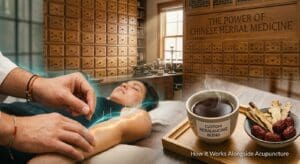
own regulatory functions, are commonly used for both eczema and psoriasis. Herbal formulas are frequently
recommended alongside acupuncture for skin conditions specifically, since TCM has an extensive history of
using internal herbal treatment for chronic skin issues. Because psoriasis is an autoimmune condition, it is
important to view any complementary treatment as supportive rather than curative, and to continue working
with a dermatologist for appropriate medical management.
Diet and Lifestyle Factors Worth Exploring
- Identifying personal trigger foods, which can vary significantly between individuals
Managing stress, since flare-ups so often coincide with stressful periods - Staying well hydrated and supporting overall skin barrier health
- Avoiding harsh soaps or products that further irritate already sensitive skin
- Getting adequate sleep, since poor sleep is linked to increased inflammation
Working Alongside Your Dermatologist
Both eczema and psoriasis should be properly diagnosed and monitored by a dermatologist, particularly
psoriasis given its autoimmune nature and association with other health conditions. Acupuncture and herbal
medicine can be a valuable complementary layer of support, but should not replace appropriate dermatological
or, when needed, systemic medical treatment.
Calmer Skin Starts With Whole-Body Care
If your skin has been flaring up despite trying cream after cream, Dr. Siraj can explore a more internal,
whole-body approach alongside your existing dermatology care. Visit the Prospect Heights or Bay Ridge
location in Brooklyn. Most major insurance plans are accepted. Call (702) 907-7171 or book online to get
started.